Can We Do Vastu Without Breaking Walls?
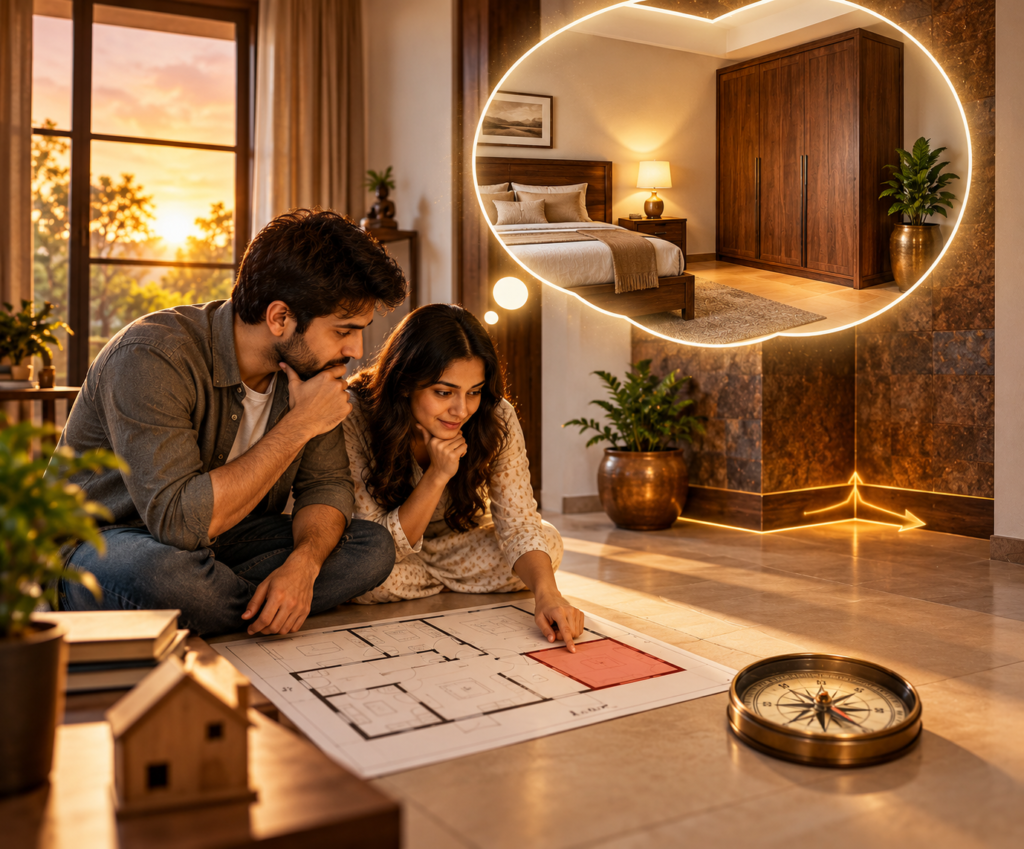
Yes. For most modern homes, apartments, rented flats, and ready-to-move properties, Vastu corrections can often be carried out without demolition or major structural changes.
This is especially relevant for homeowners across India who purchase a ready flat, move into a rented house, or inherit a property whose existing layout does not completely align with traditional Vastu principles. Modern apartments are usually constructed according to architectural, structural, and building-planning requirements, which means changing walls or rooms may not always be practical.
The good news is that many Vastu practitioners use non-structural remedies involving placement, colours, lighting, decluttering, mirrors, metals, plants, and the appropriate use of the five elements.
If you are concerned about a north east Vastu defect or south east Vastu imbalance, there are several approaches that can be considered before thinking about demolition.
North East Vastu Without Demolition
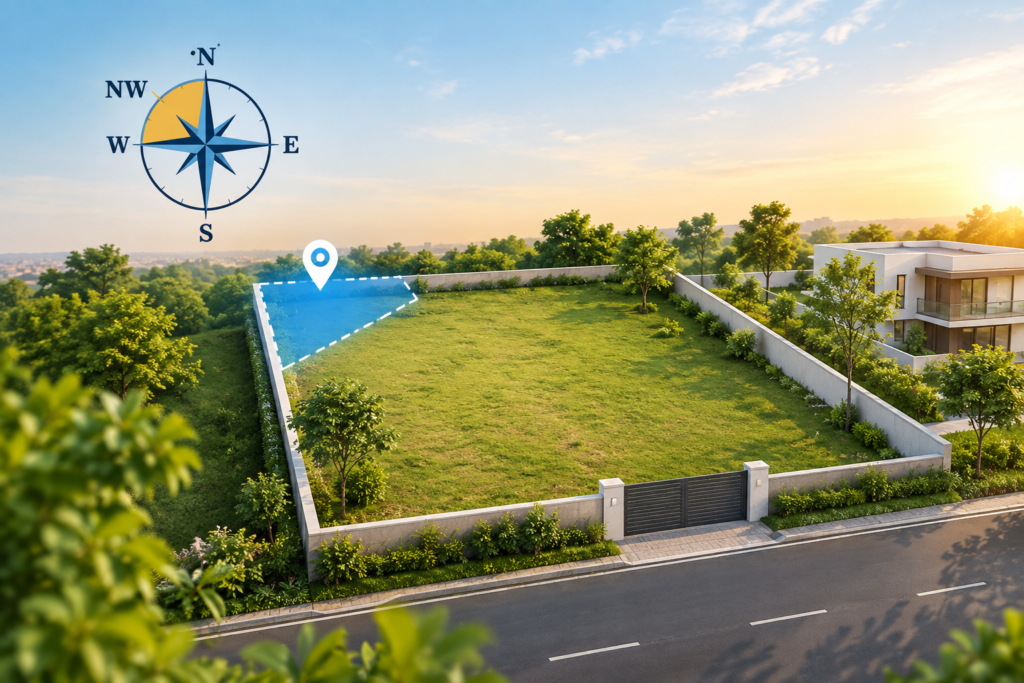
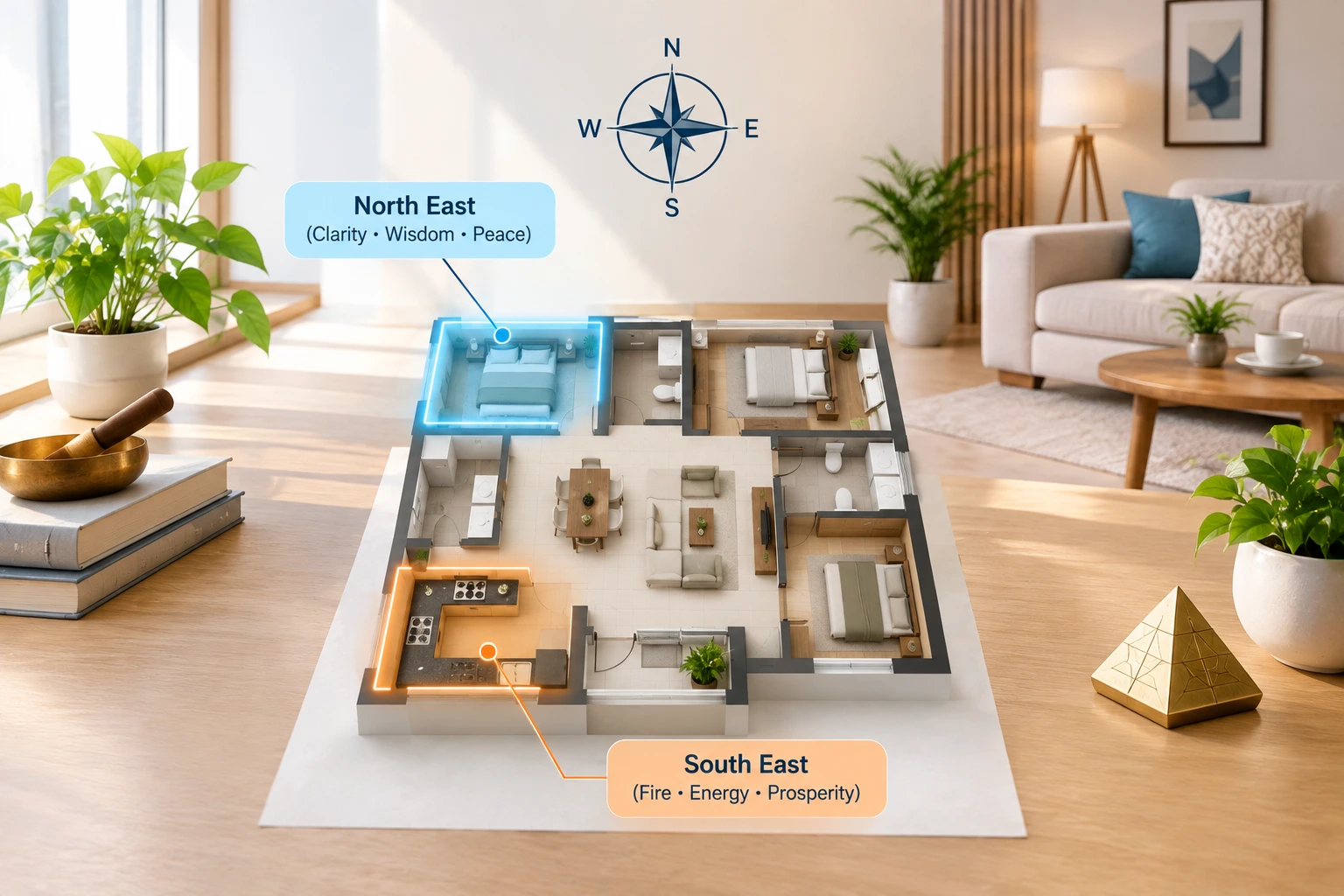
The north east direction is traditionally considered an important zone in Vastu Shastra and is commonly associated with spirituality, clarity, learning, and mental well-being.
If the north east corner of your home contains a toilet, staircase, heavy storage, or other unsuitable elements, it does not automatically mean that the walls need to be demolished.
A non-structural approach may begin with:
- Removing unnecessary clutter from the north east.
- Keeping the area clean and well ventilated.
- Allowing natural light into the space.
- Avoiding excessively heavy furniture or storage.
- Using traditionally recommended Vastu objects where appropriate.
- Keeping the area visually open and peaceful.
For an existing toilet in the north east, some Vastu consultants recommend measures such as keeping the door closed, maintaining cleanliness, using salt-based remedies, or placing symbolic Vastu items. These approaches do not require structural demolition.
However, remedies should be selected according to the actual floor plan, entrance direction, room placement, and other conditions of the property rather than applying the same solution to every home.
South East Vastu Without Demolition
The south east direction is traditionally associated with the fire element and is commonly connected with the kitchen, electrical equipment, and heat-producing appliances.
In an ideal layout, the kitchen is often recommended in the south east. However, apartment owners cannot always choose where the kitchen is constructed.
So, can we do Vastu without breaking walls if the kitchen is in another direction?
In many cases, consultants focus on correcting the placement of important elements within the existing kitchen rather than relocating the entire room.
For example, recommendations may include:
- Adjusting the stove position within the existing kitchen.
- Positioning the cooking area so that the person cooking faces an appropriate direction according to the consultation.
- Keeping unnecessary water-related items away from the cooking zone where possible.
- Maintaining good ventilation and cleanliness.
- Using traditional fire-element colours or symbolic remedies where considered appropriate.
This approach can be particularly useful for people living in apartments where moving the kitchen would involve significant construction work.
Why Non-Structural Vastu Remedies Are Used
Traditional Vastu principles were historically applied to homes and plots where the owner had considerably more control over the orientation and construction of the property.
Modern Indian housing is different.
High-rise apartments, gated communities, builder floors, rented properties, and ready-to-move flats usually have fixed:
- Walls
- Kitchens
- Bathrooms
- Electrical points
- Plumbing
- Staircases
- Entrances
- Windows
Changing these elements may be expensive, impractical, or restricted by the building structure.
This is why many modern Vastu consultations focus on remedial measures before recommending major construction work.
Depending on the property, remedies may involve furniture placement, colours, lighting, decluttering, ventilation, plants, mirrors, metals, or other traditional Vastu practices.
The objective is to work with the existing property rather than immediately recommend demolition.
North East Vastu for Pooja and Study Areas
The north east is traditionally preferred for pooja and study-related activities in many Vastu systems.
If your home does not have a dedicated pooja room in the north east, you may still be able to use the existing space creatively.
Depending on the floor plan, options can include:
- A compact wooden mandir.
- A wall-mounted pooja shelf.
- A small prayer unit in an appropriate part of the living area.
- A dedicated study corner.
- Keeping the area clean, uncluttered, and naturally illuminated.
Natural light can also make the space feel more open and comfortable. Light-coloured walls and simple furnishings can help maintain a calm visual environment without requiring any structural modification.
The exact placement should ideally be determined after considering the complete floor plan rather than looking at the north east corner in isolation.
South East Vastu for Electrical Fittings and Appliances
The south east is traditionally associated with the fire element, which is why it is often considered relevant for:
- Kitchen appliances
- Electrical equipment
- Heat-producing devices
- Electrical panels
- Inverters and related equipment
If an electrical fitting is already installed in another direction, relocating it may not always be practical.
In such situations, a Vastu consultant may suggest symbolic or placement-based remedies instead of rewiring the entire property.
For a kitchen that cannot be moved to the south east, the focus may be on the stove and cooking area within the existing kitchen.
This is one of the reasons non-demolition Vastu is particularly relevant to modern apartments.
The Five-Element Approach to Vastu Remedies
Many Vastu remedies are based around the traditional concept of the five elements:
- Earth
- Water
- Fire
- Air
- Space
Depending on the Vastu assessment, practitioners may use different objects, colours, placements, or environmental adjustments to represent or balance these elements.
Earth
Traditional remedies may include clay, terracotta, natural materials, and appropriate heavy objects.
Water
Water-related elements may include a copper vessel, water feature, or other traditionally recommended objects depending on the location.
Fire
Lighting, candles, warm colours, and appropriate placement of cooking appliances are sometimes used as fire-related remedies.
Air
Ventilation, functional windows, natural airflow, and appropriate placement of plants can contribute to a more comfortable environment.
Space
Decluttering is one of the simplest non-structural measures. Removing unused objects can make a room feel more open without changing a single wall.
The specific remedy should depend on the actual Vastu assessment rather than applying every possible remedy simultaneously.
When Can Structural Changes Become Necessary?
Non-structural remedies can be useful, but they should not be presented as a universal replacement for construction.
There may be situations where a Vastu consultant recommends a structural adjustment after examining the entire property.
Examples could include:
- An unsuitable main entrance arrangement.
- A problematic room-to-room relationship.
- A partition that significantly affects the usable layout.
- A door that creates an unavoidable functional issue.
- A major layout mismatch that cannot reasonably be addressed through placement-based remedies.
Even then, a structural correction does not necessarily mean demolishing an entire room or rebuilding the property.
Depending on the situation, the recommendation could involve a relatively limited modification such as changing a partition, altering a door position, or introducing a suitable architectural element.
For apartment owners, structural changes should also take building rules, safety, plumbing, electrical systems, and load-bearing structures into account.
Can Vastu Be Done in a Rented House?
Yes, rented properties are one of the situations where non-structural Vastu approaches are particularly relevant.
Tenants generally have limited control over:
- Wall positions
- Kitchen location
- Bathroom location
- Doors
- Windows
- Electrical wiring
- Plumbing
Instead of making permanent modifications, a consultation can focus on movable or reversible elements such as furniture, lighting, colours, plants, storage, and other suitable remedies.
This makes the approach more practical for tenants who want to follow Vastu principles without making permanent changes to someone else’s property.
What About a Ready-Made Flat?
Ready-to-move apartments are another common situation.
Before buying or moving into a flat, it can be useful to assess:
- Main entrance direction
- Apartment orientation
- Kitchen location
- Bedroom locations
- Toilet placement
- Pooja area
- North east zone
- South east zone
- Balcony and window placement
- Major structural limitations
If you already own the property, a Vastu consultation can focus on what can realistically be improved without major construction.
This is often more practical than assuming every Vastu concern requires demolition.
Can Mirrors and Plants Help With Vastu?
Mirrors and plants are commonly discussed as part of Vastu remedies, but their placement should not be treated as a universal solution for every defect.
A mirror may be recommended in specific situations based on the direction, room, and surrounding layout.
Similarly, plants can improve the visual quality and atmosphere of a home while also being incorporated into certain traditional Vastu recommendations.
Instead of randomly placing mirrors or plants in a supposedly defective direction, it is better to consider:
- What is directly opposite the mirror?
- Which room is involved?
- Where is the entrance?
- What is the direction of the property?
- Is the area naturally lit?
- Does the placement interfere with everyday use?
A complete floor-plan assessment provides more context than treating one direction independently.
Price on Request
Every property has a different floor plan, orientation, room arrangement, and set of concerns. Therefore, the cost of a complete non-structural Vastu consultation may vary from one property to another.
A consultation may include:
- Floor-plan analysis
- Direction and orientation assessment
- North east Vastu assessment
- South east Vastu assessment
- Entrance analysis
- Room-by-room observations
- Recommended remedies
- Placement suggestions
- Vastu-related guidance for existing furniture and fittings
- Follow-up guidance where applicable
Pricing is available on request after understanding the property and the scope of the consultation.
Share your floor plan, property details, and facing direction to receive a consultation plan tailored to your home.
Conclusion
Can we do Vastu without breaking walls? For many modern Indian homes, yes.
A property does not necessarily need to undergo demolition simply because its existing layout does not completely follow traditional Vastu recommendations.
For concerns involving north east Vastu, south east Vastu, entrances, kitchens, storage, or other areas, non-structural approaches can be considered first. These may involve decluttering, furniture placement, lighting, colours, ventilation, plants, mirrors, metals, and other traditional remedies.
Structural changes may still be appropriate in particular circumstances, but they should be considered only after understanding the complete property and its practical limitations.
If you live in a ready flat, rented home, apartment, builder floor, or inherited property, a professional Vastu assessment can help identify which changes are actually practical before you spend money on renovation.
Can we do Vastu without breaking walls in a rented flat?
Yes. Rented homes are a common situation for non-structural Vastu approaches because tenants generally cannot make permanent changes to walls, plumbing, or electrical systems. Furniture placement, lighting, colours, decluttering, and other reversible measures can be considered.
Is north east Vastu correction possible if the toilet is already built there?
A north east toilet does not automatically mean that demolition is necessary. A Vastu consultant can assess the complete layout and suggest appropriate non-structural remedies where applicable.
Does south east Vastu correction always mean moving the kitchen?
No. If the kitchen cannot be moved, the cooking area and stove placement within the existing kitchen can be assessed. Other suitable remedies may also be considered based on the property’s layout.
How long do non-structural Vastu remedies take to show an effect?
There is no scientifically established timeframe for Vastu remedies to produce specific outcomes. Practitioners may recommend observing a home for several weeks after implementing changes, depending on the nature of the consultation.
Can mirrors really fix a north east Vastu defect?
Mirrors are traditionally used as a Vastu remedy in certain situations, but they should not be treated as a universal solution. Their suitability depends on the direction, room, and surrounding layout.
Is Vastu Shanti Puja a replacement for structural correction?
Vastu Shanti Puja is a traditional religious practice associated with Vastu-related rituals. Whether it is appropriate depends on the individual’s beliefs and the purpose of the consultation. It should not automatically be presented as a substitute for a necessary structural or safety correction.
What is a common south east Vastu concern in modern flats?
One commonly discussed concern is the placement of the kitchen or cooking area outside the traditionally preferred south east zone. In an apartment where the kitchen cannot be relocated, the stove and cooking position can instead be assessed within the existing space.
Do all Vastu defects require a consultant visit?
Not necessarily. Simple matters such as clutter, furniture arrangement, or improving natural light can often be addressed independently. For complex layout-related concerns, a professional assessment can provide a more complete view of the property.
Can plants help with north east or south east Vastu?
Plants are commonly incorporated into Vastu recommendations, but the appropriate type and location depend on the property’s layout and the specific Vastu approach being followed. They should not be treated as a universal remedy for every defect.
What is included when Vastu consultation pricing is given on request?
Depending on the consultant and service package, a consultation may include floor-plan analysis, direction assessment, room-by-room observations, recommended remedies, placement guidance, and follow-up support. The exact scope and pricing should be confirmed before the consultation.